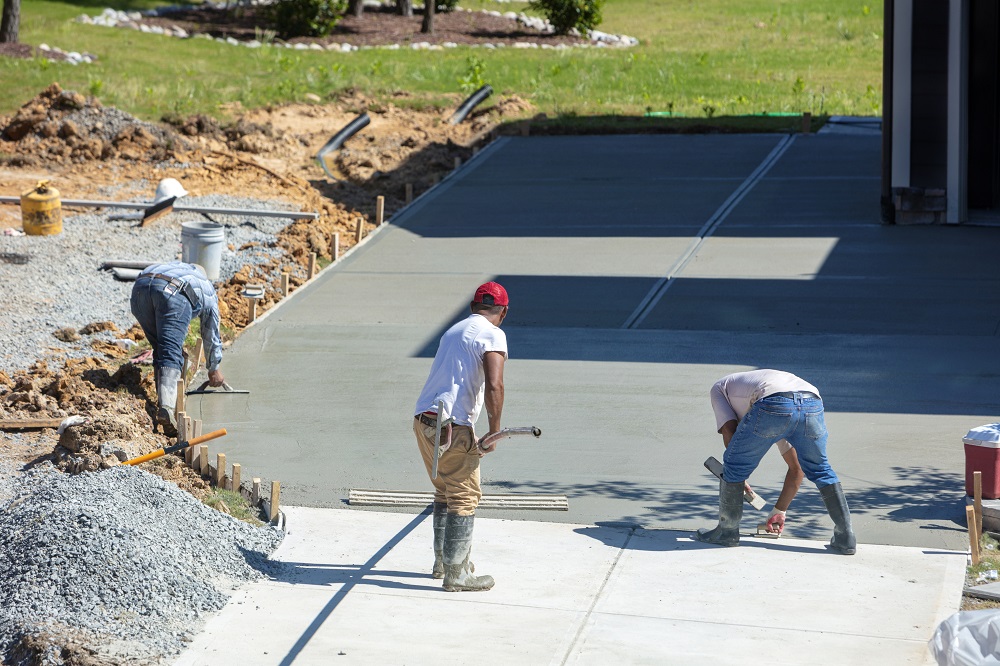
Concrete slab installation in Suitland, MD requires careful planning, proper ground preparation, quality materials, and accurate finishing. A concrete slab can serve as the base for patios, garages, walkways, sheds, additions, driveways, and other outdoor or residential projects. When installed correctly, it creates a firm, level surface that can handle regular use for years.
Local soil, drainage, weather, site conditions, and the planned use of the slab all affect the installation process. Property owners should understand these factors before starting a concrete project. Proper preparation also helps prevent common problems such as cracks, uneven surfaces, water buildup, and premature wear.
What Is a Concrete Slab?
A concrete slab is a flat, hardened surface made from a mixture of cement, water, sand, and aggregate. Contractors place the mixture into a prepared area and allow it to cure until it reaches the required strength.
Concrete slabs can have different thicknesses and reinforcement based on their intended use. A small patio may need different preparation than a garage floor or concrete foundation. The contractor must consider the expected weight, traffic, soil conditions, and drainage before selecting the right slab design.
A properly installed slab provides a stable surface while helping support the structure or activity planned for the area.
Planning Concrete Slab Installation
Good planning starts before any concrete reaches the site. The project area needs a clear layout that shows the slab dimensions, location, slope, drainage needs, and intended use.
Property owners should also check local requirements before construction begins. Permits may apply to certain projects, especially when the slab supports an addition, garage, or other structure.
The contractor should inspect the site and identify conditions that could affect the work. Nearby trees, existing utilities, poor soil, standing water, and uneven ground can change the preparation process.
A clear plan helps control material use, labor, drainage, and final slab dimensions.
Preparing the Ground
Ground preparation plays one of the biggest roles in concrete slab performance. Concrete can crack or settle when the soil below it cannot provide stable support.
The installation area should first be cleared of grass, roots, debris, and loose material. The soil then needs proper grading and compaction. Contractors may add a compacted gravel base to improve support and drainage.
The prepared base should provide an even surface across the entire slab area. Soft spots need attention before concrete placement. Water should also have a suitable path away from the slab.
This stage should receive careful attention because placing concrete over weak or poorly prepared ground can create problems that become difficult to correct later.
Choosing the Right Concrete Mix
Concrete selection depends on how the slab will be used. A residential patio does not always require the same mix or reinforcement as a garage floor.
The contractor should select concrete based on the project's strength requirements, exposure, thickness, and local conditions. Proper water control also matters. Adding too much water can weaken the finished concrete and increase the chance of surface problems.
Concrete should arrive at the site in workable condition. Workers then need to place and finish it within the proper time.
Quality materials alone cannot guarantee a strong slab. Proper handling and installation also affect the final result.
Reinforcement and Slab Thickness
Concrete has good compressive strength, but reinforcement can help control cracking and improve performance. Contractors may use reinforcing steel or wire reinforcement based on project requirements.
Slab thickness also depends on the intended use. A surface designed for foot traffic may require different specifications than one intended to support vehicles or heavy equipment.
Two important factors to consider are:
- Load requirements: The contractor should design the slab according to the weight and traffic it will support.
- Ground conditions: Soil stability, drainage, and base preparation affect how the slab performs over time.
The right combination of thickness, reinforcement, concrete strength, and base preparation creates a more dependable surface.
Setting Forms Before Concrete Placement
Forms define the shape and edges of the slab. Contractors place them around the prepared area and check their height, alignment, and level.
Accurate forms help produce clean slab edges and consistent dimensions. They also keep wet concrete within the planned area during placement.
The contractor should check the forms before pouring begins. Any movement or incorrect height can affect the finished surface.
Good formwork makes the placement and finishing stages easier and helps maintain the planned shape of the project.
Pouring and Finishing the Slab
Concrete placement needs organized work. The crew should distribute the concrete across the prepared forms without leaving large gaps or weak areas.
Concrete slab installation contractors then level the concrete and remove excess material. Finishing tools help create the desired surface texture. The final finish depends on the intended use of the slab.
The surface may need a smooth finish for certain applications or more texture for areas where slip resistance matters. Edges and joints also require attention during finishing.
The contractor should avoid adding unnecessary water to the surface during finishing. Proper finishing methods help protect the surface and support consistent curing.
Concrete Curing
Curing allows concrete to develop strength after placement. The slab needs suitable moisture and temperature conditions during this period.
Concrete does not reach its full performance immediately after finishing. The curing period protects the material while it gains strength.
The contractor should follow appropriate curing practices for the concrete mix and site conditions. Hot, dry, windy, or very cold weather can affect curing and may require additional care.
Protecting the slab during early curing can reduce surface damage and support better long term performance.
Managing Cracks and Joints
Concrete naturally changes as it dries and responds to temperature. Properly planned joints provide controlled locations for movement and cracking.
Contractors may install control joints at suitable locations based on the slab size and layout. The joint pattern should match the project's dimensions and design.
Good drainage also helps protect the slab. Water that remains around or beneath concrete can contribute to soil movement and other problems.
Crack prevention starts with proper design, base preparation, reinforcement, placement, and curing. No concrete slab is completely free from the possibility of cracking, but proper installation can reduce unnecessary problems.
Common Uses for Concrete Slabs in Suitland
Concrete slab installation can support many residential and property improvement projects in Suitland. The correct design depends on the purpose of the slab.
Common applications include patios, garage floors, shed bases, walkways, outdoor living areas, utility areas, and foundations for certain structures.
A concrete patio can create a durable outdoor surface for seating and everyday activities. A garage slab needs enough strength and proper preparation to handle vehicle loads.
Walkways need suitable grading so rainwater does not collect on the surface. Each application requires its own planning rather than using one installation method for every project.
Why Professional Installation Matters?
Professional concrete slab installation helps ensure that each stage receives proper attention. Experienced contractors can evaluate the site, prepare the base, set accurate forms, place reinforcement, pour concrete, finish the surface, and manage curing.
Professional installation also helps identify site issues before they become expensive problems. Poor soil, drainage concerns, uneven grades, and unsuitable layouts can affect the finished slab.
Property owners should ask contractors about the planned slab thickness, base preparation, reinforcement, concrete mix, joints, drainage, and curing process. Clear answers can help them understand what the project includes.
Maintaining a Concrete Slab
Concrete requires less maintenance than many other outdoor surfaces, but regular care still matters. Property owners should keep the surface clean and watch for cracks, settlement, standing water, or damaged joints.
Small issues can become more difficult to repair when ignored. Drainage around the slab should remain clear so water can move away from the surface.
Heavy loads should also match the slab's intended purpose. Avoiding unnecessary stress can help preserve the surface.
Routine inspection gives property owners an opportunity to address problems before they affect larger areas.
FAQs About Concrete Slab Installation in Suitland
1. How long does concrete slab installation take?
The installation time depends on slab size, site preparation, weather, concrete delivery, and project requirements. Small residential slabs can move through the installation process faster than large or complex projects.
2. How thick should a concrete slab be?
The required thickness depends on how the slab will be used and what loads it must support. A contractor should determine the appropriate thickness based on site and project requirements.
3. Does a concrete slab need reinforcement?
Many slabs benefit from reinforcement, but the type and amount depend on the project. Reinforcement can help control cracking and improve the slab's ability to handle loads.
4. Can concrete be installed over existing soil?
Concrete should not simply be placed over loose or unstable soil. The ground needs proper preparation, grading, and compaction. A suitable base may also be required.
5. How can I protect a new concrete slab?
Keep the slab protected during the early curing period and follow the contractor's care instructions. Prevent unnecessary traffic or heavy loads until the concrete reaches the required strength.
6. Why does concrete crack?
Concrete can crack because of drying shrinkage, temperature changes, soil movement, poor drainage, weak base preparation, excessive loads, or improper installation. Proper design and installation can reduce avoidable cracking.
Conclusion
Concrete slab installation in Suitland requires careful site preparation, suitable materials, proper reinforcement, accurate placement, and controlled curing. A well planned slab provides a stable surface for patios, garages, walkways, foundations, and other property improvements.
Property owners should work with an experienced contractor who understands local site conditions and follows proper installation practices. NATHALYS LLC is the best company that provides concrete slab installation services in Suitland, MD and its surrounding areas. Professional planning and workmanship can help create a strong, level, and durable concrete surface that fits the property's needs.
Comments