Djibouti e-Visa Application Process for Ethiopians
Planning a trip to the “Land of the Seven Wonders” requires more than just packing your bags. Whether you are heading to Lake Assal for its otherworldly salt landscapes or traveling for business, securing your entry permit is the first step.

This guide, focused on the Djibouti e-Visa for Ethiopia Citizens , covers everything from the different eVisa types to local customs, currency tips, and safety rules—helping ensure your journey is smooth and well prepared.
What are the different types of Djibouti eVisa available?
The Republic of Djibouti offers several electronic visa categories tailored to the purpose of your visit. Understanding which one fits your needs is crucial for a successful application:
- Transit eVisa: Designed for travelers passing through Djibouti to a third destination. It is ideal for short layovers where you plan to leave the airport.
- Tourism Visa: The most common choice for holidaymakers wanting to explore the country’s natural beauty and coastline.
- Family/Social Visit: Specific for those traveling to meet relatives or friends residing in Djibouti.
- Business Visa: Required for attending meetings, conferences, or exploring commercial opportunities.
How do you apply for a Djibouti eVisa online?
Applying for your Djibouti eVisa is a streamlined process that can be completed entirely from your home or office. Follow these steps to ensure your application is processed without delays:

- Complete the Personal Details Form: Fill in your name, date of birth, nationality, and passport information exactly as they appear on your travel document.
- Upload Digital Documents: Attach clear scans of your passport bio page, a recent photograph, and proof of accommodation/flight reservations.
- Review and Pay: Double-check your information for errors. Use a valid credit or debit card to pay the processing fee.
- Receive Your eVisa: Once approved, the eVisa will be sent to your email in PDF format. Print this document for your flight.
What documents are required for a Djibouti eVisa application?
To avoid delays, ensure you have clear digital copies of the necessary documents before starting your application. Being aware of the document requirement for Djibouti eVisa helps travelers prepare all essential identification, photographs, and supporting papers in advance, ensuring a smooth and quick approval process.
- Passport Bio Page: A high-quality scan of the page containing your personal details and photo. Your passport must be valid for at least six months from your date of arrival.
- Applicant Photo: A recent, colored passport-sized photograph with a neutral expression and a plain background.
- Flight Ticket or Reservation: Proof of your intended entry and exit from the country (round-trip or onward ticket).
- Hotel Booking or Invitation Letter: Documentation showing where you will stay. If staying with a host, an invitation letter with their contact details is required.
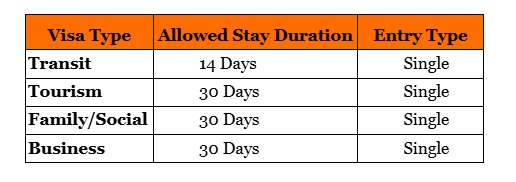
What is the Djibouti eVisa validity and stay duration?
The validity of your eVisa determines how long you can stay in the country. Note that all eVisas are currently issued for Single Entry only.
How long is the Djibouti eVisa approval time?
Processing times can vary based on the urgency of your trip. There are typically three tiers of processing available through most service providers:
- Standard Processing: Takes between 4 to 7 business days. This is the most cost-effective option for those planning well in advance.
- Rush Processing: Usually completed within 3 to 5 business days for a slightly higher fee.
- Super Rush Processing: The fastest option, delivering your eVisa in 2 to 4 business days for emergency travel needs.
What should you carry when traveling to Djibouti?
Once your eVisa is approved, you must carry specific items to present at the immigration desk at Ambouli International Airport:
- A printed copy of your approved eVisa (digital copies on phones may not always be accepted).
- Your original passport used during the application.
- A Yellow Fever vaccination certificate (mandatory if arriving from a high-risk country).
- Proof of sufficient funds for the duration of your stay.
Which payment methods are accepted for the eVisa?
The application fee for the Djibouti eVisa must be settled online during the final stage of your submission. Payment is processed through a secure gateway, and applicants should ensure their chosen method supports international transactions to prevent any processing errors.
- Credit and Debit Cards: The most widely accepted method, including Visa, MasterCard, and American Express.
- International Transaction Check: Before paying, confirm that your card does not have a block on foreign payments.
- Non-Refundable Policy: Note that the fee is generally considered an administrative charge for processing and is usually non-refundable regardless of the application outcome.
What is the best time to visit Djibouti?
The climate in Djibouti is tropical and desert-like, with high temperatures throughout most of the year. Understanding the Djibouti best season to travel helps visitors plan their trip more comfortably, as cooler months offer better conditions for sightseeing, outdoor activities, and exploring the country’s unique landscapes.
- Peak Season (November to February): This is the best time to visit. Temperatures are pleasant (25°C to 30°C), making it ideal for sightseeing and spotting whale sharks.
- Hot Season (May to September): Temperatures can soar above 40°C, and the humidity can be intense. Travel during this time is only recommended if you are comfortable with extreme heat.
What are the current Djibouti entry rules and immigration laws?
Entry into Djibouti is subject to strict immigration controls. While the eVisa acts as a landing authorization, the final decision rests with the immigration officer at the port of entry. You must enter through the designated port—primarily Ambouli International Airport. Overstaying your visa is a serious offense that can lead to fines or deportation. Furthermore, you are not permitted to seek employment or engage in long-term work while on a tourist or business eVisa.
Is Djibouti safe for international tourists?
Djibouti is generally stable and remains one of the safer countries in the Horn of Africa, primarily due to a significant international military presence. However, travelers should exercise "increased caution" and remain vigilant against petty crimes like pickpocketing or bag snatching, particularly in crowded markets in Djibouti City. It is strongly advised to avoid border regions with Eritrea and Somalia due to regional tensions and the risk of unexploded landmines in remote desert areas. Visitors should also be mindful of the moderate threat of terrorism in the region by avoiding large public gatherings and staying informed through local news and embassy advisories.
What currency is used and how can you exchange money?
The official currency is the Djiboutian Franc (DJF). While the US Dollar is widely recognized in larger hotels, you will need local currency for markets, taxis, and smaller shops.
- Currency Exchange: You can exchange major currencies (USD, EUR) at banks and authorized "Bureaux de Change" at the capital.
- ATM Availability: ATMs are available in Djibouti City but become scarce in rural areas. They often accept Visa more readily than MasterCard.
- Using Cards: Credit cards are accepted in high-end hotels and some large supermarkets, but Djibouti remains a heavily cash-based society.
How can tourists get a SIM card and internet access?
Staying connected is relatively straightforward. You can purchase a local SIM card from the primary provider, Djibouti Telecom, at the airport or in the city.
- Requirements: You will need to show your passport to register a SIM card.
- eSIM: Availability for international eSIMs is growing but still limited; checking with global providers before travel is recommended.
- Internet: WiFi is available in most hotels in the capital, though speeds can be slower than in Western countries.
Can the Djibouti eVisa be extended while in the country?
Yes, the Djibouti eVisa is extendable in case you need more time to spend. In order to start the extension, you need to approach the local immigration office or the Directorate General of the National Police at the city of Djibouti. To ensure that you are not punished because of overstaying, it is important to turn in your extension request at least several days before your existing visa runs out. You might be asked to present your original passport, a copy of your current eVisa, and some evidence of why you have to remain longer such as further hotel accommodation or latest flight schedule. It should be noted that the taking of an extension can be approved at the choice of the local authorities.
Final Thoughts:
Djibouti is a remarkable place to visit, and it provides an unparalleled combination of geology and rich culture. The most important thing to be able to do to make your trip stress-free is to apply to your eVisa in advance and have the hard copies of your traveling documents always at hand. Being sensitive to the local culture, keeping an eye on the surrounding environment and immigration regulations, you will be able to concentrate on the stunning scenery and hospitality that this country has in store. Safe travels!
Comments