Elevator Key Periosteal: Precision Surgical Tool for Bone Exposure
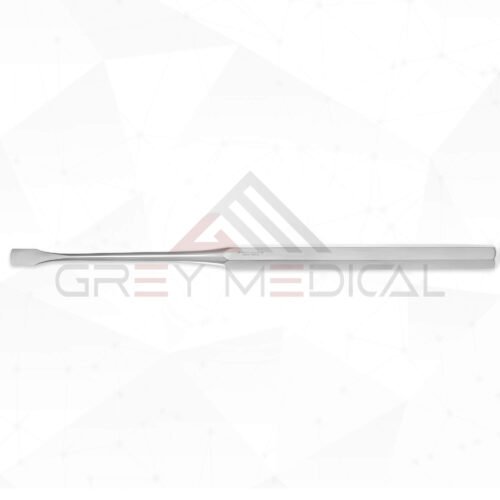
Welcome to Grey Medical, your trusted partner in premium-quality surgical instruments. With decades of experience in the medical industry, we pride ourselves on delivering precision-crafted tools designed to meet the rigorous demands of surgeons, doctors, and medical professionals worldwide. In orthopedic, oral, and reconstructive procedures, clean separation of soft tissue from underlying bone is critical for safe access and predictable healing. The elevator key periosteal serves as a dependable surgical instrument built to lift the periosteum without tearing delicate fibers or gouging cortical bone surfaces. By allowing controlled reflection of fibrous tissue layers, this instrument gives the surgical team clear visibility before drilling, plating, grafting, or placing implants.
Structural Design and Ergonomic Control
A well-engineered elevator key periosteal balances strength at the working tip with comfortable control in the surgeon's hand. Its solid or ergonomically contoured handle helps prevent slippage during steady leverage, reducing hand fatigue during lengthy operating room procedures. Leading toward the tip, the shaft transfers controlled force directly to the working blade, which typically features a broad or gently curved profile suited to follow anatomical bone contours. That geometry helps distribute lifting pressure evenly so surgeons can advance smoothly along the bone plane with minimal trauma to adjacent tissue.
Material Quality and Sterilization Durability
Surgical instruments face repeated steam autoclaving, ultrasonic cleaning, and mechanical stress, making metallurgy a deciding factor in clinical performance. High-grade surgical or German stainless steel gives an elevator key periosteal strong resistance to corrosion, pitting, and edge dulling over years of regular service. When the working edge stays crisp and smooth, it glides beneath tight periosteal attachments rather than snagging or shredding soft tissue. Reliable material integrity also helps surgical centers maintain strict hygiene standards while controlling long-term replacement costs.
Key Clinical Applications Across Specialties
Although frequently associated with orthopedic bone exposure, fracture fixation, and graft harvesting, variations of periosteal elevators support many surgical disciplines. Surgeons rely on an elevator key periosteal when dense fibrous tissue clings firmly to bone and requires firm, controlled leverage to clear the operative field safely. In related reconstructive, maxillofacial, and probe dental instrument procedures, elevating flaps cleanly preserves vascular supply and simplifies wound closure at the end of the case. Selecting the right blade width and curvature for the specific anatomy helps protect nearby nerves, vessels, and muscles from unintended injury.
Choosing the Right Instrument for Your Surgical Tray
Selecting the right instrument for a surgical tray starts with matching blade dimensions, tip geometry, and handle weight to the procedures performed most often. A wider or heavier blade offers sturdy leverage for broad bone exposure, whereas slimmer or more delicately curved profiles fit tighter anatomical spaces. Inspecting edges regularly for nicks or wear ensures every pass lifts tissue cleanly rather than dragging it. Hospitals and clinics benefit from standardizing dependable patterns across trays so staff and surgeons share familiar, consistent tools every day.
Conclusion on Surgical Precision and Reliability
Consistent surgical outcomes depend on instruments that respond predictably in skilled hands from the first incision to final closure. When crafted from durable stainless steel and finished to exacting tolerances, an elevator key periosteal supports steady tissue reflection, clear bone visibility, and efficient operating room workflow. Through Grey Medical, healthcare teams can source surgical instruments built for everyday clinical reliability and lasting value. Investing in well-made tools helps medical professionals focus fully on patient care and safe recovery.
Comments