Introduction: Understanding Lipedema and Recognizing Early Changes
Lipedema in Jeddah is an important health topic for individuals who notice unusual fat distribution, persistent tenderness, or changes in the shape of their legs and arms. Lipedema is a chronic condition characterized by disproportionate accumulation of adipose tissue, most commonly around the hips, thighs, and legs, and sometimes the arms. Recognizing possible signs and seeking a professional assessment can help individuals understand their symptoms, explore appropriate management options, and make informed decisions about their health. Because lipedema can resemble other conditions, a careful evaluation is essential rather than relying on appearance alone.
Changes associated with lipedema can develop gradually. Some people first notice that their lower body appears disproportionate to their upper body, while others experience tenderness, heaviness, or easy bruising. These changes may affect clothing choices, walking comfort, physical activity, and confidence. Symptoms differ from one person to another, so understanding personal patterns and discussing them with a qualified healthcare professional can provide useful information for assessment and ongoing care.
When researching Lipedema cost in Jeddah, it is helpful to understand that the total expense depends on the type of care required. Costs may include an initial consultation, clinical assessment, diagnostic investigations when indicated, compression garments, rehabilitation services, follow-up appointments, and possible procedural treatment for selected patients. Asking for a clear explanation of fees and services helps individuals plan appropriately without assuming that every person needs the same investigations or treatment.
Learning about Lipedema in Jeddah also means understanding that lipedema is not simply a cosmetic concern or a condition that can always be addressed through weight loss. A professional assessment can help distinguish lipedema from other causes of swelling or changes in body shape. Dr. Hattan Aljaaly may be included in your research when exploring assessment and treatment options. The priority should be obtaining an individualized evaluation, clear information, and a management plan suited to your circumstances.
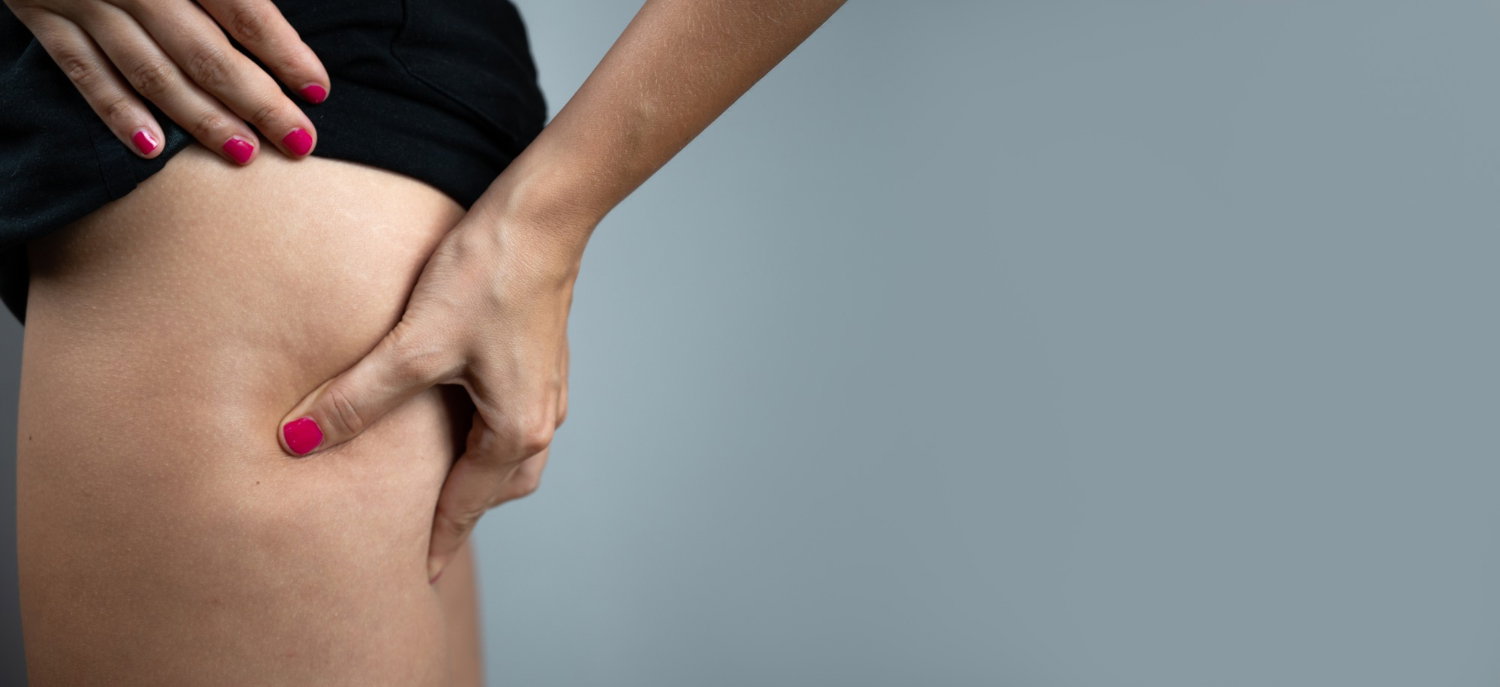
What Is Lipedema? Understanding the Condition
Lipedema is a chronic disorder involving an abnormal distribution of fatty tissue, generally affecting the lower body and sometimes the upper arms. It is reported predominantly in women, and its onset or progression may be associated with periods of hormonal change. Although research continues, genetic and hormonal factors are thought to contribute to its development.
The condition can look different from person to person. Some individuals primarily notice changes in body proportions, while others experience tenderness, heaviness, or difficulty with certain activities. Recognizing these differences helps explain why professional assessment should consider both physical findings and symptoms.
How Lipedema Commonly Appears
Lipedema often involves relatively symmetrical enlargement of the hips, thighs, or legs. The feet are frequently less affected than the legs, although presentation can vary.
Common features may include:
- Disproportionate fat accumulation in the lower body
- Similar changes affecting both legs
- Tenderness or sensitivity when affected tissue is touched
- A feeling of heaviness in the legs
- Easy bruising
- Changes in mobility or physical comfort
These signs can suggest lipedema, but they are not sufficient to establish a diagnosis on their own.
Why Lipedema Is More Than a Change in Body Shape
Lipedema may influence daily life in several ways. Persistent discomfort can make prolonged standing or walking more difficult, while changes in body proportions may affect clothing choices and confidence.
Some individuals experience frustration when their concerns are misunderstood or attributed entirely to weight. Recognizing that lipedema is a distinct condition can encourage a more appropriate conversation about symptoms and care.
Who May Develop Lipedema?
Lipedema is most commonly reported in women and may become noticeable during adolescence, pregnancy, or other periods of hormonal transition. However, not every individual follows the same pattern, and the precise causes remain incompletely understood.
Family history may be relevant because genetic factors are suspected to contribute. Sharing information about relatives with similar symptoms can help provide context during an assessment.
Lipedema in Jeddah: Recognizing Changes in the Legs and Arms
Recognizing patterns in the affected areas is an important step toward seeking professional advice. Gradual changes can be easy to overlook, especially when they occur over several years.
Changes in Leg Shape and Proportions
One possible sign is a difference between the proportions of the upper and lower body. The hips, thighs, or lower legs may appear fuller even when other parts of the body change less noticeably.
Some individuals find that their usual clothing fits differently around the legs while remaining relatively unchanged around the waist. These observations can be useful to mention during a consultation.
Tenderness and Pressure Sensitivity
Another feature associated with lipedema is tenderness in affected tissue. Pressure from clothing, contact during daily activities, or prolonged standing may feel uncomfortable for some individuals.
The presence and intensity of tenderness vary. Persistent or unexplained discomfort should be discussed with a healthcare professional rather than automatically attributed to lipedema.
Heaviness and Changes in Mobility
A feeling of heaviness in the legs may affect how long someone feels comfortable standing or walking. Some individuals gradually adapt their routines to avoid activities that increase discomfort.
Recording when these sensations occur and which activities influence them can help a professional understand the impact on daily function.
Changes Affecting the Arms
Although the legs are more commonly affected, lipedema can also involve the upper arms. A person may notice disproportionate fullness or tenderness in these areas.
Because arm enlargement has several possible explanations, an assessment is important to identify the likely cause and determine whether further evaluation is needed.
Distinguishing Lipedema From Other Conditions
Several conditions can cause changes in limb size, swelling, or body proportions. Distinguishing between them is important because their management may differ.
Lipedema and General Weight Gain
General weight gain can affect multiple areas of the body, whereas lipedema typically produces a disproportionate pattern of fat accumulation.
Weight management alone may not substantially change the characteristic distribution of lipedema-related tissue. Nevertheless, both conditions can coexist, so a person's overall health and body composition should be considered during assessment.
Lipedema and Lymphedema
Lymphedema involves impaired lymphatic drainage and can lead to fluid accumulation in affected tissues. Lipedema primarily involves abnormal adipose tissue distribution, although lymphatic problems may coexist in some individuals.
The feet are often relatively spared in lipedema, while lymphedema may involve the feet and toes. However, these patterns are not definitive diagnostic rules. A clinician may need to examine the affected areas and consider further tests to clarify the cause.
Lipedema and Venous Conditions
Venous conditions can contribute to swelling, heaviness, skin changes, and discomfort in the legs. Their symptoms can overlap with those associated with lipedema.
A professional assessment may include checking circulation and considering whether venous disease or another condition contributes to the symptoms.
Why Self-Diagnosis Is Not Enough
Photographs, online descriptions, and symptom checklists can provide useful background information, but they cannot confirm lipedema.
A qualified healthcare professional can evaluate the pattern of tissue distribution, symptom history, physical findings, and possible alternative explanations. This approach helps reduce the risk of overlooking another condition.
When Should You Seek a Professional Assessment?
Seeking an assessment is appropriate when changes in body shape or persistent symptoms raise concerns, especially when they affect everyday comfort.
Gradual but Persistent Changes
Consider arranging an appointment if you notice ongoing disproportionate enlargement of the legs or arms, persistent tenderness, easy bruising, or unexplained heaviness.
You do not need to wait until symptoms become severe. Discussing changes early can help establish a clearer understanding of their cause and identify suitable management options.
Symptoms That Affect Daily Activities
Professional guidance may be particularly useful if symptoms interfere with walking, standing, exercise, work, or household activities.
Explaining which activities have become difficult helps the clinician understand the functional impact of the condition rather than focusing only on appearance.
Sudden or Unusual Symptoms
Not every new symptom should be attributed to lipedema. Sudden swelling, especially in one leg, warrants prompt medical evaluation. Chest pain or shortness of breath requires emergency assessment.
These symptoms may indicate another urgent condition and should not be managed solely through routine lipedema care.
What Happens During a Lipedema Assessment?
A professional assessment aims to understand the individual's symptoms, evaluate the affected areas, and determine whether lipedema or another condition is the most likely explanation.
Reviewing Your Medical History
The clinician may ask about:
- When the changes first appeared
- Whether symptoms have progressed
- Family history of similar concerns
- Previous medical diagnoses
- Current medication use
- Previous treatments and their outcomes
- The effect of symptoms on daily life
Providing accurate information helps create a useful clinical picture.
Physical Examination
The examination may assess the distribution of tissue, symmetry between limbs, tenderness, swelling, skin condition, and mobility.
The clinician may also consider whether the feet or hands are affected and whether other findings suggest a different diagnosis.
Diagnostic Tests When Necessary
Lipedema is generally diagnosed through clinical assessment rather than a single definitive test. Depending on the presentation, additional investigations may be recommended to assess circulation, lymphatic function, or another possible cause of symptoms.
Not everyone needs the same tests. Investigations should be guided by the findings and the questions that need to be answered.
Discussing the Assessment Results
After reviewing the information, the clinician should explain the likely diagnosis, any remaining uncertainty, and the next steps.
This discussion is an opportunity to ask questions about symptom management, possible treatment options, expected outcomes, and follow-up arrangements.
Lipedema Cost in Jeddah: Understanding the Financial Considerations
Lipedema cost in Jeddah of assessing and managing lipedema depends on the individual's needs. Some people may initially require a consultation and conservative management advice, while others may need further investigations or specialist services.
Consultation and Assessment Fees
The initial consultation may include a review of medical history, physical examination, discussion of symptoms, and recommendations for further evaluation.
Fees vary according to the service provided and the complexity of the assessment. Ask whether follow-up discussions or review appointments are included in the initial quotation.
Diagnostic Investigation Costs
If additional investigations are needed to evaluate swelling, circulation, or another possible condition, they may add to the overall expense.
It is reasonable to ask why each investigation is recommended and how its result may influence the treatment plan.
Compression Garments and Rehabilitation
Some management plans include compression garments, physical therapy, or other supportive services.
Costs may depend on garment type, fitting requirements, the number of rehabilitation sessions, and how long the services are needed.
Procedural Treatment Expenses
Selected patients may explore liposuction techniques specifically adapted for lipedema. If a procedure is being considered, the overall estimate may include professional fees, anaesthesia, facility charges, postoperative garments, and follow-up care.
A procedure should be considered according to clinical suitability and expected benefits, not simply because it is available.
Questions to Ask About Total Costs
When researching Lipedema cost in Jeddah, ask for a breakdown that identifies:
- Initial consultation charges
- Diagnostic tests, if required
- Compression or rehabilitation costs
- Procedure-related fees, if applicable
- Follow-up appointments
- Any services that may be billed separately
This information helps you compare options with a clearer understanding of the overall financial commitment.
Management Options After an Assessment
Management depends on symptoms, the extent of the condition, overall health, and personal goals. There is no single approach that is appropriate for everyone.
Compression Therapy
Compression garments may help selected individuals manage heaviness, swelling, or discomfort. Appropriate fitting and professional guidance are important to ensure that the garment suits the person's needs.
A clinician can explain the type of garment, recommended wearing schedule, and when the fit may need to be reviewed.
Physical Activity and Rehabilitation
Suitable movement can support mobility, muscle strength, and general wellbeing. Walking, water-based exercise, and low-impact strengthening may be options depending on the person's ability and comfort.
Physical therapy can help adapt activities, build confidence in movement, and develop a manageable routine.
Everyday Symptom Management
Some individuals find it helpful to take movement breaks, choose comfortable clothing, and plan rest periods around activities that increase heaviness or discomfort.
Balanced nutrition and general health habits can also support wellbeing. However, lifestyle changes should not be presented as a cure for lipedema.
Considering Procedures for Selected Patients
When symptoms remain significant despite appropriate conservative management, a procedural approach may be discussed with suitable candidates.
The decision should include a detailed assessment of expected benefits, individual health circumstances, recovery requirements, and ongoing management needs.
Preparing for a Consultation With Dr. Hattan Aljaaly
When researching Dr. Hattan Aljaaly, prepare to discuss the changes you have noticed and the questions you want answered. A well-organized consultation can help you better understand your condition and possible next steps.
Keep a Record of Your Symptoms
Before your appointment, write down when the changes began, which areas are affected, and whether symptoms vary throughout the day.
You may also record how the symptoms influence walking, exercise, work, or other routines. This information can help make the assessment more focused.
Bring Relevant Medical Information
Prepare a list of current medications, previous diagnoses, earlier investigations, and treatments you have tried. If family members have experienced similar symptoms, mention this history where relevant.
Providing a clear account of your medical background can help the clinician consider possible explanations more effectively.
Ask Clear Questions About Your Options
Consider asking:
- What findings suggest lipedema in my case?
- Could another condition explain my symptoms?
- What management options are appropriate?
- What improvements are realistic?
- How will we monitor progress?
- What costs should I expect?
- When should I return for follow-up?
You should leave the consultation with a clear understanding of the recommendations and the reasons behind them.
Monitoring Changes and Maintaining Long-Term Care
Because lipedema is a chronic condition, follow-up can help determine whether the management plan remains suitable over time.
Track Symptoms and Function
A simple journal can record tenderness, heaviness, swelling, and changes in activity tolerance. These observations may reveal patterns that are difficult to remember during an appointment.
The purpose is not to monitor every detail obsessively, but to provide useful information when reviewing progress.
Focus on Practical Improvements
Progress can include greater comfort during walking, improved ability to complete daily tasks, or a better understanding of how to manage symptoms.
Appearance may be one concern, but it should not be the only measure of whether a management plan is helpful.
Review the Plan When Needs Change
If symptoms change or the current approach is no longer meeting your needs, discuss this during follow-up. The clinician can reconsider the diagnosis, review the management plan, or recommend further evaluation when appropriate.
Ongoing communication supports a more responsive approach to care.
Conclusion: Recognizing Changes and Seeking Help for Lipedema in Jeddah
Lipedema in Jeddah is a condition that deserves careful assessment when individuals notice disproportionate fat accumulation, persistent tenderness, heaviness, or changes in the shape of their legs or arms. Recognizing these patterns is an important first step, but a professional evaluation is necessary to distinguish lipedema from other conditions that may cause similar symptoms. Reviewing medical history, examining affected areas, and considering further investigations when indicated can help establish an appropriate care plan.
Understanding Lipedema cost in Jeddah is also part of making informed decisions. Consultation fees, diagnostic investigations, compression garments, rehabilitation, procedural treatment, and follow-up arrangements may all contribute to the total expense. Requesting a clear cost breakdown helps individuals plan realistically and compare services based on the care provided.
When researching Dr. Hattan Aljaaly, prioritize a thorough assessment, clear explanations, individualized recommendations, and realistic expectations. With suitable professional guidance and ongoing review, individuals can better understand their symptoms, explore appropriate management strategies, and make informed decisions about Lipedema in Jeddah.
Frequently Asked Questions
1. What Are the Early Signs of Lipedema?
Possible signs include disproportionate fat accumulation around the hips, thighs, or legs, tenderness, a feeling of heaviness, and easy bruising. Symptoms vary, and these features do not confirm the condition without a professional assessment.
2. How Is Lipedema in Jeddah Diagnosed?
Diagnosis generally involves reviewing medical history, examining the affected areas, and evaluating symptoms. Additional investigations may be recommended when necessary to assess other possible causes, such as venous or lymphatic conditions.
3. What Influences Lipedema Cost in Jeddah?
Lipedema cost in Jeddah depends on the consultation, any diagnostic investigations, compression garments, rehabilitation services, possible procedures, and follow-up care. The total expense varies according to individual needs and the services recommended.
4. Is Lipedema the Same as Obesity?
No. Lipedema involves a characteristic pattern of disproportionate fat distribution and may include tenderness or heaviness. Obesity is a different condition, although both can occur in the same person and may require individualized management.
5. Can Lipedema Affect the Arms as Well as the Legs?
Yes. Although the legs and hips are most commonly affected, lipedema can also involve the upper arms. A professional assessment can help determine whether the observed changes are consistent with lipedema or another condition.
6. What Should I Discuss With Dr. Hattan Aljaaly?
Discuss your symptoms, medical history, possible diagnosis, recommended investigations, management options, expected outcomes, costs, and follow-up arrangements. Ask for clarification about any recommendation you do not fully understand.
7. Can Lipedema Be Managed Without Surgery?
Yes. Depending on individual needs, management may include compression garments, physical activity, rehabilitation, and symptom monitoring. These approaches may support comfort and function, although they do not cure lipedema.
8. Does Weight Loss Eliminate Lipedema?
Weight management may support general health, but it does not necessarily eliminate the disproportionate tissue associated with lipedema. A healthcare professional can help distinguish the effects of lipedema from other factors affecting body composition.
9. When Should I Seek Medical Advice About Changes in My Legs?
Seek an assessment if you notice persistent disproportionate enlargement, tenderness, easy bruising, heaviness, or changes that affect daily activities. Sudden swelling, particularly in one leg, requires prompt medical evaluation rather than assuming it is caused by lipedema.
10. Why Is Follow-Up Important After a Lipedema Assessment?
Follow-up allows the clinician to review symptoms, assess whether the management plan is helping, and make adjustments when needed. It also provides an opportunity to discuss new concerns and clarify the next steps in care.

Comments