Step-by-Step Guide Canada eTA for Andorran Travelers
Canadian eTA eligibility for Andorran citizens allows eligible travelers from Andorra to visit Canada for short stays such as tourism, business meetings, or transit. Citizens of Andorra can generally apply for an electronic Travel Authorization (eTA) if they are traveling to Canada by air and meet the standard entry requirements set by Canadian immigration authorities.

For tourists, Canadian eTA eligibility for Andorran citizens makes travel easier as it removes the need for a traditional visa in many short-term visit cases. Once approved, it allows entry into Canada for exploring cities, natural attractions, and cultural experiences, as long as the stay is temporary and the traveler holds a valid passport and return or onward ticket.
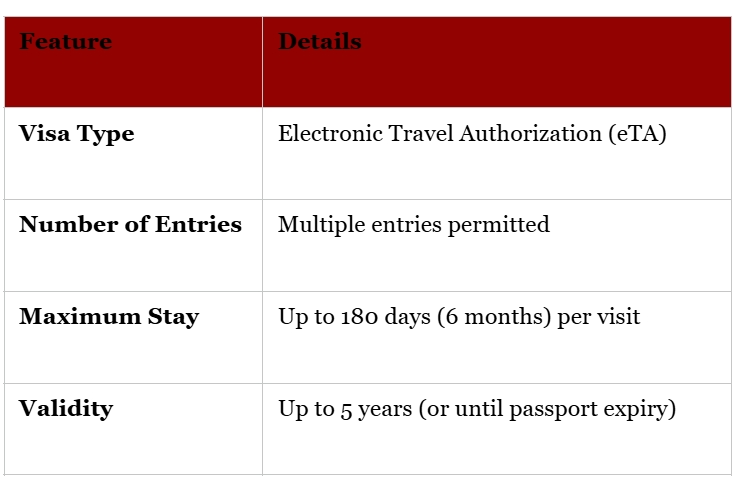
What are the specific details of the Canadian eTA for Andorran citizens?
To plan your trip effectively, it is essential to understand the technical parameters of the authorization.
Who is eligible for a Canada eTA?
A Canada eTA (Electronic Travel Authorization) is required for visa-exempt foreign nationals who are traveling to Canada by air for short stays such as tourism, business, or transit.
- Visa-exempt national eligibility: Citizens of approved visa-free countries can apply for an eTA instead of a visa
- Air travel requirement: Only needed when entering Canada by air
- Short stay purpose: Suitable for tourism, business visits, or transit
- Valid passport holders: Must hold a valid biometric or e-passport
- Security approval: Applicants must meet Canada immigration and background requirements
- Eligible national list: Includes selected countries such as the UK, France, Germany, Japan, Australia, and others
- Canada eTA guide for Anguillan citizens
- Canada eTA application process for Australians
- Canadian eTA requirements for Austrian citizens
- Canada eTA step-by-step guide for Bahamas citizens
- Canada eTA eligibility for Barbadian travelers
- Exempt categories: Canadian citizens, permanent residents, and some visa holders do not require an eTA
What is the step-by-step process to apply for a Canada eTA?
Applying for the eTA is a straightforward process that typically takes only a few minutes.

- Fill up Form: Enter your passport biographic information, personal contact details, and employment status.
- Answer Screening Questions: Provide honest answers to background questions regarding your travel history and criminal record.
- Payment: Complete the payment for the processing fee.
- Confirmation: Once submitted, you will receive an email confirmation. Keep the eTA reference number for your records.
Can I make changes after submitting my Canada eTA application?
Once a Canada eTA application is submitted, most of the key details such as passport number, name, and personal information cannot be directly changed. If you notice an error or need to update important information, you usually cannot edit the existing application; instead, you may need to submit a new application with the correct details. However, minor updates like email corrections or status-related communication can sometimes be managed through the confirmation system or by contacting support if required. Since the eTA is electronically linked to your passport, it is important to ensure all information is accurate before submission to avoid delays or travel issues when entering Canada under the Canada eTA system.
What is the processing time for a Canada eTA?
The processing time for a Canada eTA (Electronic Travel Authorization) is generally quick and varies based on the application type and review requirements.
- Standard Processing: Usually takes 1–6 working days depending on application volume.
- Rush Processing: Typically completed within 1–3 working days for faster approval.
- Super Rush Processing: Can be approved within 24 hours for urgent travel needs.
Is a digital arrival card required before flying to Canada?
Yes, Canada requires travelers to complete arrival information before or upon entry, but it depends on the method of travel. For most air passengers, a digital advance customs and immigration declaration can be submitted through the official ArriveCAN system (when available at participating airports), which allows travelers to provide details before landing and speed up processing at arrival. However, this digital step is not always mandatory in all cases and may also be completed at airport kiosks on arrival. Regardless of the method, travelers with a valid Canada eTA or visa must still meet standard immigration requirements, and the final entry decision is always made by border officers at the airport.
Can I use an eSIM while traveling to Canada?
Yes, you can easily use an eSIM while traveling to Canada, as it offers a convenient and cost-effective way to access mobile data without relying on physical SIM cards.
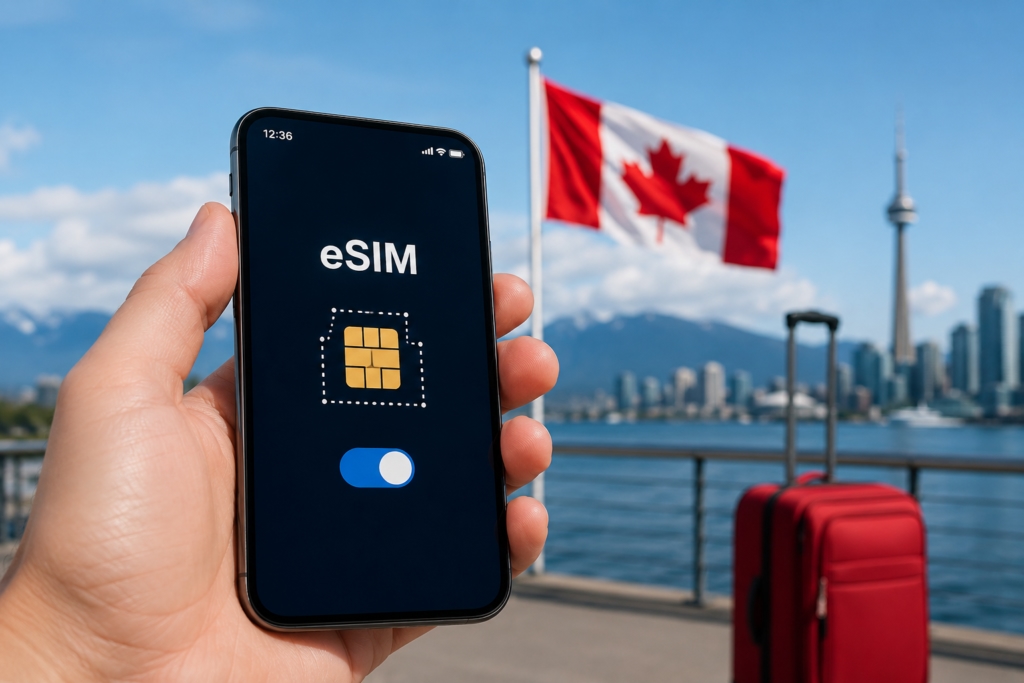
- Wide Availability: Many local and international providers offer tourist-friendly eSIM data plans in Canada.
- Device Compatibility: Your smartphone must be eSIM-supported and carrier-unlocked before travel.
- Instant Activation: eSIM can be activated digitally without visiting a store or swapping SIM cards.
- Cost-Effective: Often cheaper than international roaming charges from your home mobile network.
- Flexible Plans: Options include short-term and data-only packages for travelers.
What is the exit permit requirement for Canada travel?
Canada does not require an exit permit for travelers, as departure is a straightforward process managed without additional immigration clearance.
- No Exit Permit Needed: Travelers do not need any special permission or document to leave Canada.
- Simple Departure Process: You can exit the country normally through airports, land borders, or seaports.
- No Reporting Requirement: There is no obligation to inform immigration authorities when leaving.
- Stay Compliance Important: Visitors must leave before their authorized stay expires to avoid penalties.
- Future Travel Impact: Overstaying may affect eligibility for future entry to Canada.
Do diplomats need a Canada eTA or a special visa?
Diplomats and government officials traveling to Canada are usually subject to special entry rules, and whether they need an eTA or visa depends on their nationality, passport type, and purpose of travel. In many cases, holders of diplomatic or official passports may be exempt from the requirement of a Canada eTA when traveling for official duties, while others may still need a visa depending on their country of citizenship. Since these rules can vary based on bilateral agreements and the nature of the assignment, diplomats are always advised to confirm their specific travel requirements with the nearest Canadian diplomatic mission before departure to ensure proper clearance and documentation.
What documents are checked before boarding a flight to Canada?
Before boarding a flight to Canada, airlines conduct document checks to ensure passengers meet entry and travel requirements.
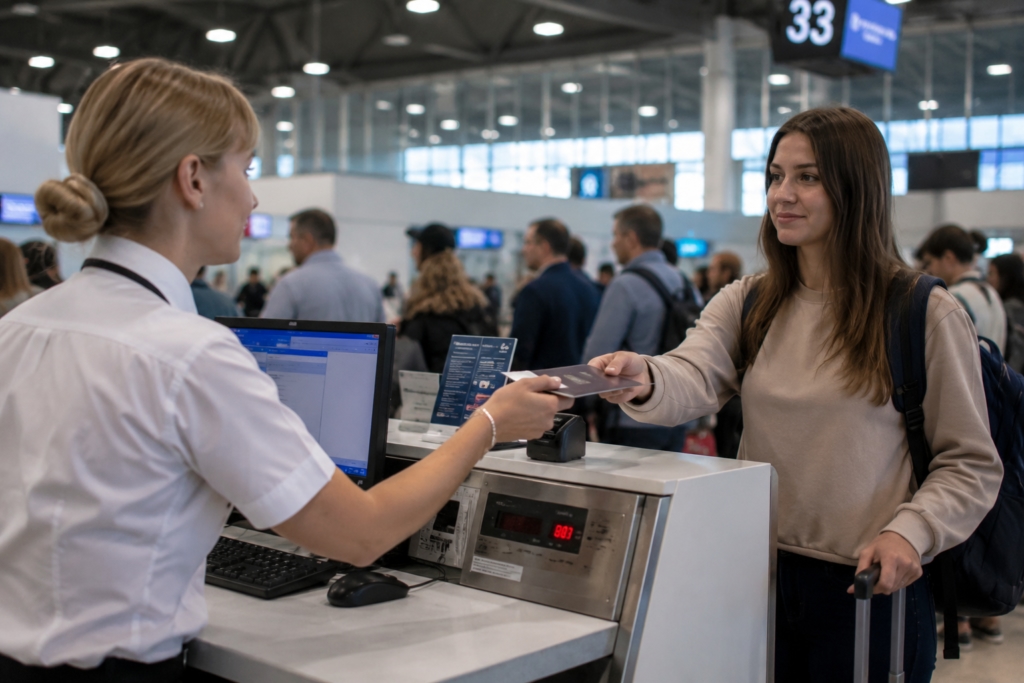
- Valid Passport: Must be valid for the entire duration of travel and match booking details.
- Visa or eTA: Travelers from visa-required countries need a visa, while eligible visa-exempt travelers must hold a valid Canada eTA.
- Airline Ticket: Confirmed onward or return flight details may be verified.
- Travel Authorization: Any required entry approvals or supporting documents for immigration purposes.
- Additional Documents (if needed): Proof of accommodation, financial means, or travel purpose may be requested by airlines or border rules.
Conclusion:
Securing your Canadian eTA is a vital step in preparing for your trip from Andorra. By ensuring your passport is valid, applying well in advance, and having your travel documents organized, you can focus on the exciting aspects of your journey. Whether you are traveling for tourism, a business conference, or simply transiting to another destination, the eTA provides a streamlined way to enter Canada. Remember that the authorization is linked to your passport, so always ensure that your travel documents are up to date and that you have met all requirements before heading to the airport. Safe travels to Canada!
Comments